 I admit it, I am fascinated by dreams and dreaming. Daydreams, sleep dreams, and specifically lucid dreams.
For instance, one of my daydreams was to retire to a farm in Vermont without even knowing what to do once I lived there. Yet, here I am—living on a horse farm in Southern Vermont, taking care of the land with my wife, while writing novels and blog posts. That simple daydream became my reality. I even wrote a blog post about it, which inspired me to create a short novel—Between Ashes and Cobwebs—based on that very idea.
In Between Ashes and Cobwebs, one of the main characters—Henry—says:
“What life has taught me is that you never give up on your dreams. You don’t burn them to ashes, and you don’t let cobwebs grow over them. I’m not saying every dream will come true. But you never find out unless you try. And even if it doesn’t turn out the way you hoped, you’ll still end up in a better place than where you started.”
That “better place” can be physical or mental—or both. Feel free to read the whole story or even download the PDF, all for free.
- From Daydreams to Muddy Boots: How We Ended Up on a Vermont Horse Farm…
- Between Ashes and Cobwebs by William Forth…
Sleep Dreams vs. Daydreams
Sleep dreams are, of course, different from the cozy meanderings of daydreaming. Daydreams soothe and encourage us, though some dismiss them as nonsense. But sleep dreams? Those are universal. Even people who swear they “don’t dream” actually do—they just forget. Dreams fade quickly, slipping through our fingers the moment we open our eyes. Yet sometimes, fragments cling like burrs: a vivid image, a strange sentence, an impossible landscape that lingers.
Here’s the truth: everybody dreams. Regardless of race, location, or anything else that seems to divide us, dreams are hardwired into being human. They’re not optional entertainment; they’re a biological necessity. You literally cannot function without them. Dreams are the nightly repair shop of the soul. This isn’t just my opinion—it’s backed by science. (And yes, I’ll be writing another post entirely on that topic.)
The Magic of Lucid Dreams
But now let’s talk about the real crown jewel: lucid dreams.
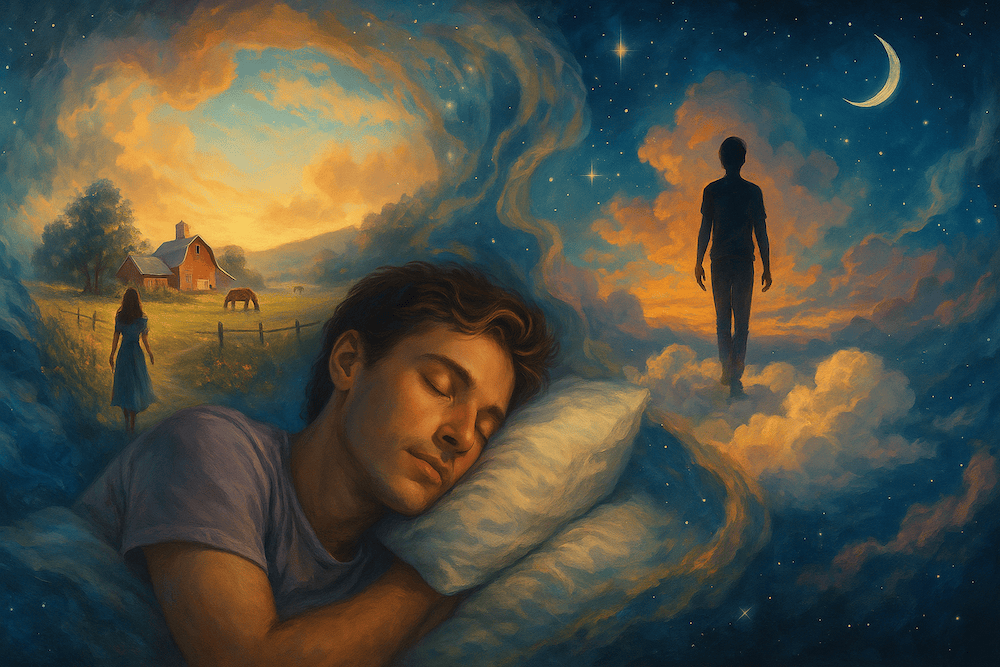
A lucid dream is a dream in which you become aware you’re dreaming while still asleep. Imagine standing in a dream, suddenly realizing, “Wait a second—this is a dream.” From that moment on, the laws of reality are yours to bend. Fly? Sure. Revisit childhood? Why not. Have a conversation with Albert Einstein, or your great-grandmother, or even a character you invented? Go for it.
I’ve had lucid dreams myself, and the ones I remember are unforgettable—vivid, fascinating, and strangely more “real” than reality itself. I have no idea how many others I’ve forgotten, but the ones that stuck with me shaped my imagination. There are techniques to trigger lucid dreams—keeping dream journals, reality checks, meditation—but they require dedication, and I’ve never felt the need to force them. Still, I know it can be done. That knowledge helped me write my novel The Lucid War Chronicles.
In it, I pushed the idea further: What if lucid dreams could be shared? Imagine a handful of people walking through the same dreamscape together. Naturally, once some people hold that kind of power, others will envy or fear it. In my book, jealousy and mistrust ignite into a war between dreamers and non-dreamers. If that piques your curiosity, you might enjoy The Lucid War Chronicles.
Healing Through Dreams
But dreams aren’t just fuel for fantasy. Lucid dreams, more than ordinary ones, hold extraordinary potential for healing.
Regular dreams heal quietly, invisibly, in the background. Lucid dreams, however, open the door to intentional healing—you can face fears, rewrite trauma, or seek closure in ways waking life doesn’t always allow.
One of my characters, Dr. Elena Rivera, puts it beautifully in The Lucid War Chronicles:
“We can help. The veteran who finally sleeps through the night without waking up screaming—he’s not just a statistic. He’s a life changed. The little girl who wouldn’t speak to anyone in the real world, but smiled in a dream where someone met her with patience and warmth—she matters. The widow who never got to say goodbye… until she did, in a lucid dream—she carries peace now.”
Conclusion
Dreams are more than midnight movies in our minds; they are maps, medicine, and sometimes even messages. Whether it’s a whimsical daydream about a Vermont farm, a fleeting night vision that slips away with the sunrise, or the dazzling clarity of a lucid dream, they all shape us. They remind us that our inner worlds are just as vast and important as the outer ones.
So—don’t burn your dreams to ashes, and don’t let cobwebs grow over them. Explore them, nurture them, and when possible, live them. You might just wake up one day, look around, and realize… your dream has become your life.
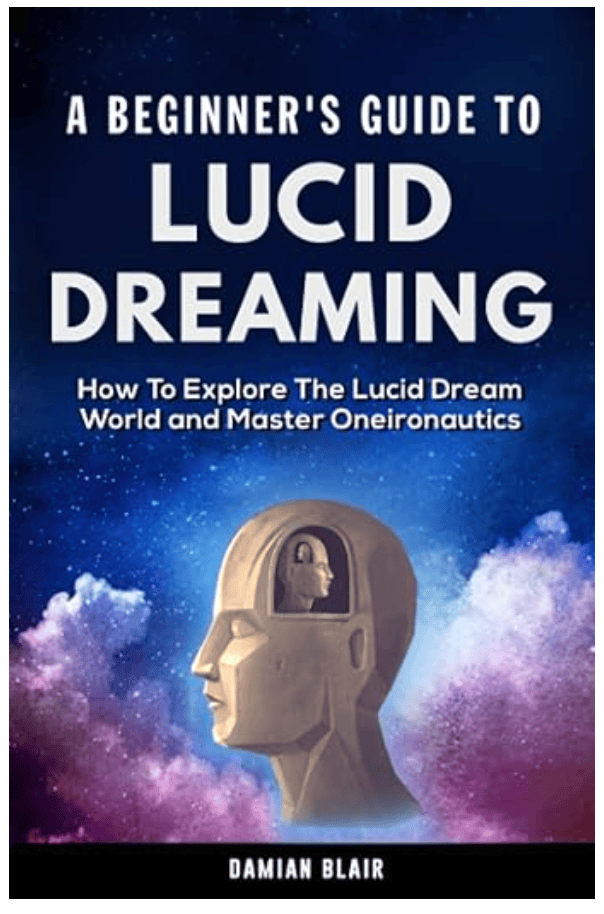 What if you could wake up inside your dreams—and take full control of them?
Imagine soaring through the skies with no limits, standing face-to-face with your deepest fears and feeling no panic, unlocking wells of creativity you never knew existed, or even reprogramming your subconscious mind for lasting change—all while you sleep.
That’s the power of lucid dreaming, and this book shows you how to master it. You’ll learn how to prepare your mind and body so lucidity comes naturally, how to set intentions that spark awareness faster, and what to expect at each stage of the experience. You’ll explore induction methods that let you step into lucidity at will, while techniques like NLP anchors help you stay steady once you’re there.
Beyond the methods, you’ll discover how lucid dreams become a training ground for life itself: a space where nightmares are conquered, fears dissolve, creativity thrives, and healing begins. Whether you’re a beginner or someone who’s brushed against lucidity before, this guide gives you the clarity, purpose, and confidence to not only dream on command—but to use those dreams for self-discovery and transformation in your waking life. More information…